
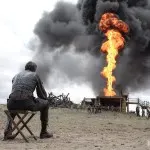
 Oil prices fell to record levels this week trading at prices below $27 a barrel for the first time since 2003. Compared to 2012 prices, the decay in the price of oil is staggering. On the demand side, investors are concerned that global demand for oil is expected to be lower than expected because of the sluggish pace of global growth and also from lower than expected growth in China and other emerging markets. On the supply side, as the leading oil-producing countries including Saudi Arabia, Gulf countries, Russia, and the U.S. jostle to maintain their respective market shares, global oil supply is bound to exceed demand thereby creating a downwards pressure on oil prices. The latest player to flood the market with oil is Iran because of the lifting of sanctions. According to some estimates, Iran is expected to produce 300,000 barrels of oil by the first quarter of 2016.
Future of Oil Prices
In the long run, oil prices are bound to surge. The demand for oil is expected to increase as the global economy, lead by the BRICS countries and emerging markets, recovers from the slump. On the supply side, with prices at record low levels, it is a matter of time before low-cost producers will exit the market which will contract the production of oil.
Should we expect a dramatic recovery in oil prices in 2016? Hard to tell. A few die-hard optimistic experts are projecting prices around $60 per barrel by the end of the year. Others, who are more cautionary in their approach, expect that the equilibrating market forces will be in play for a few years before we arrive at the “new normal price.”
If you are long on oil, you might have to wait for a while to recover your losses or to make money if you are buying at record low levels.
Immediate Economic Effects
Declining oil price is a vital reason for the collapse in the equity market in the U.S. this month. The stock market has lost more than 10% of its value so far in January and the worst may not be over yet. Energy sector has been hit the hardest. Companies have laid off thousands of workers and cut billions of dollars in investments because of the sustained drop in oil prices. Royal Dutch Shell PLC announced last week that its fourth-quarter profit fell as much as 50%, and it plans to cut $3 billion in costs this year. Many debt-laden companies closely affiliated with oil are expected to go bankrupt because their operations are unable to generate sufficient cash flow to pay creditors.
Some savvy portfolio managers and investment strategists are concluding that oil price must stabilize before investors can expect a reduction in the broader equity market volatility.
Banks Stuck with Bad Loans
Coinciding with the decline in oil prices and the slump in equity markets, both national and regional banks have been taking big hits. A rational economic question is why are bank stocks being harmfully affected?
The response is bad loans. Many oil-related companies, especially oil and gas drillers, borrowed heavily from national and regional banks when oil prices were high a few years. Banks were also willing to lend on generous terms because of rising oil prices. Now banks are stuck with ‘bad loans’ on their books which means that, according to U.S. GAAP, banks and other financial institutions must record a charge against current earnings for possible future bad loans. Citigroup Inc. disclosed that it is reserving $500 million in loan-loss provisions (a reserve against future bad loan write-offs), which affects current earnings negatively and therefore creates a drag on the bank’s stock price. Similarly, Regional Financial Corp, a small regional lender from Alabama, disclosed that its loan-loss provisions or charge-offs increased from $18 million last quarter to $78 this quarter because of bad loans to energy borrowers.
Long-term Political Effects
If oil prices remain at these historic low levels, we should expect political turmoil in the middle east (e.g., Saudi Arabia and other Gulf countries) and Russia where governments have traditionally used cash flows generated from high oil prices to heavily subsidize their citizens, buy loyalty and attain political legitimacy. Now with sustained low oil prices, many of these countries are forced to cut fuel subsidies and other form of subsidies. The reduction of subsidies has large repercussions for political stability in these countries.
The ‘deep drilling’ issue is that low oil price is expected to have negative economic and political connotations.

 by
by 
Leave a Reply